Fingerprinting remains one of the most trusted methods of personal identification in 2026. Whether you are applying for employment, obtaining a professional license, completing an FBI background check, or fulfilling immigration requirements, fingerprinting plays a critical role in verifying identity and maintaining public safety.
Despite advances in biometric technology, fingerprinting continues to be widely used because of its reliability, legal acceptance, and long-standing integration into government and private systems. This guide explains what fingerprinting is, how it works, why it matters, and what you should expect when using professional fingerprinting services.
Understanding the Basics of Fingerprinting
Fingerprinting is the process of capturing the unique ridge patterns found on an individual’s fingertips. These ridge formations—known as friction ridges—develop before birth and remain unchanged throughout a person’s lifetime, except in cases of severe injury.
Even identical twins do not share the same fingerprints. This permanence and uniqueness make fingerprints one of the most dependable identifiers available.
Fingerprinting services has been used for over a century in law enforcement and identification systems. While the science behind it remains consistent, the technology used to capture fingerprints has evolved significantly, transitioning from ink-based methods to advanced digital biometric systems.
How Fingerprinting Works Today
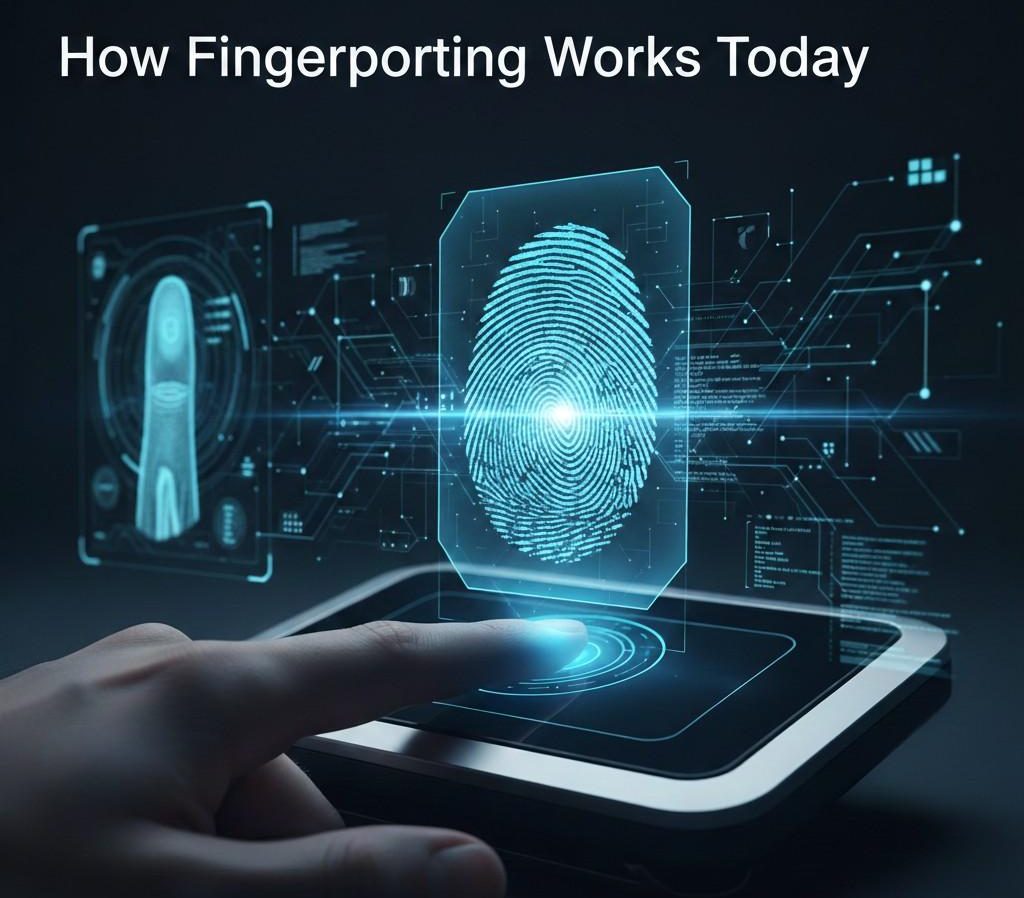
Modern fingerprinting involves capturing ridge detail and converting it into a format that can be reviewed, stored, or transmitted securely.
Ink-Based Fingerprinting
Ink fingerprinting services are the traditional method that involves rolling each finger onto an ink pad and then onto a fingerprint card, commonly the FBI FD-258 card.
This method is still required by certain agencies, international authorities, and licensing boards. However, ink fingerprinting requires skilled technicians to avoid smudging, partial impressions, or misalignment.
Digital (Live Scan) Fingerprinting
Live scan fingerprinting uses electronic scanners to capture fingerprints digitally. These scanners analyze ridge patterns and ensure image quality before submission.
Digital fingerprinting significantly reduces errors and resubmissions. While often faster, it is important to note that live scan fingerprints are transmitted to the requesting agency or authorized channeler, not automatically to the FBI unless specified.
The Two Main Types of Fingerprinting Methods Explained
1. Ink-Based Fingerprinting
- Produces physical fingerprint cards
- Required for some international and federal processes
- Must meet strict quality standards
- Slower processing due to mailing and manual handling
Ink fingerprinting services remain essential in situations where digital submission is not accepted. Proper technique and experience are critical for acceptance.
2. Live Scan Fingerprinting
- Captures fingerprints electronically
- Reduces rejection rates
- Faster transmission and processing
- Commonly used for employment, licensing, and background checks
Live scan technology is now the preferred method for most domestic applications due to efficiency and accuracy.
Common Reasons Fingerprinting Is Required
Fingerprinting is used across many sectors to verify identity and assess eligibility.
Employment Background Checks
Industries such as healthcare, education, finance, security, and childcare require fingerprint-based background checks to ensure safety and compliance.
Professional Licensing
Licensing boards for professions like nursing, teaching, real estate, and insurance often mandate fingerprinting as part of the application or renewal process.
Immigration and Naturalization
USCIS requires biometric fingerprinting for visas, green cards, work permits, and citizenship applications. These fingerprints are used to confirm identity and conduct security screenings.
Adoption and Foster Care
Fingerprinting ensures prospective parents meet background requirements designed to protect children and families.
Firearm Licensing and Permits
Many concealed carry and firearm permits require fingerprint submission for criminal history verification.
The Role of FBI Background Checks in Fingerprinting
The FBI maintains the Next Generation Identification (NGI) system, one of the world’s largest biometric databases. When fingerprints are submitted for an FBI background check—officially known as an Identity History Summary—they are compared against records that have been reported to the FBI by participating agencies.
It is important to understand:
- FBI background checks reflect reported records, not necessarily every local or international record.
- Acceptance depends on fingerprint quality and completeness.
- Poor-quality prints often result in rejection or delays.
This is why professional fingerprinting services are critical.
Why Fingerprint Quality Matters
Fingerprint rejections are commonly caused by:
- Smudged or partial impressions
- Improper finger rolling
- Low ridge detail
- Incorrect personal information
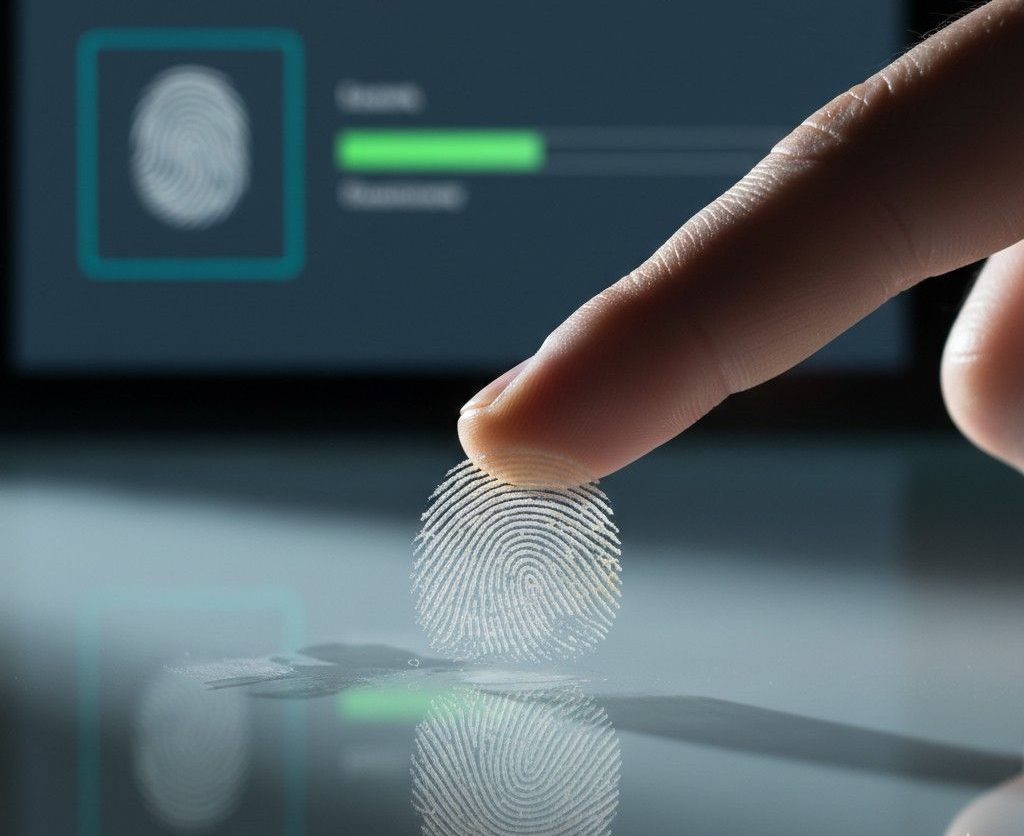
Professional technicians are trained to identify these issues before submission. High-quality scanners and proper technique significantly reduce delays and resubmissions.
At Houston Fingerprinting, trained professionals ensure fingerprints meet agency standards the first time.
What to Expect During the Fingerprinting Process
When visiting a professional fingerprinting provider:
- Identity Verification – Government-issued ID is reviewed.
- Document Review – Required forms and agency instructions are confirmed.
- Fingerprint Capture – Ink or live scan fingerprints are collected.
- Quality Check – Prints are reviewed for clarity and accuracy.
- Submission or Documentation – Prints are transmitted or provided to the client.
The process typically takes 10–20 minutes.
Understanding Fingerprint Card Requirements
Different agencies require different fingerprint cards or formats:
- FBI FD-258 cards
- State-specific fingerprint cards
- Digital submissions linked to specific agencies
Incorrect card usage or incomplete information can result in rejection. Professional providers stay updated on current requirements to avoid these issues.
Choosing the Right Fingerprinting Provider in Houston
When selecting a fingerprinting service, consider:
- Technician experience
- FBI-certified equipment
- Knowledge of agency requirements
- Customer reviews
- Convenience and location
Houston Fingerprinting has earned trust by consistently delivering accurate, compliant, and professional fingerprinting services to individuals and organizations throughout the Houston area.
The Future of Fingerprinting and Biometrics
While biometric technologies such as facial recognition and iris scanning are growing, fingerprinting remains the most widely accepted and legally recognized biometric identifier.
Fingerprinting continues to dominate because:
- It has decades of legal precedent
- It integrates seamlessly with existing systems
- It offers high accuracy with minimal invasiveness
Rather than being replaced, fingerprinting is evolving alongside other biometric technologies.
Why Houston Fingerprinting Is a Trusted Choice
Houston Fingerprinting services combines:
- Experienced technicians
- FBI-compliant equipment
- Accurate submissions
- Clear guidance and customer support
We understand that fingerprinting often impacts employment, licensing, and life-changing opportunities. Our team ensures your fingerprints are captured correctly and efficiently.
Visit https://houstonfingerprint.com/ to learn more, check hours, or schedule an appointment.
Conclusion
Fingerprinting remains a foundational element of identity verification and background screening in 2026. Understanding how fingerprinting works—and choosing a professional provider—can prevent delays, rejections, and unnecessary stress.
Whether you require live scan fingerprinting or ink-based fingerprint cards, Houston Fingerprinting delivers accuracy, compliance, and professionalism you can rely on.
Your future opportunities depend on getting it right the first time. Trust Houston Fingerprinting to provide fingerprinting services that meet today’s standards and tomorrow’s expectations.